
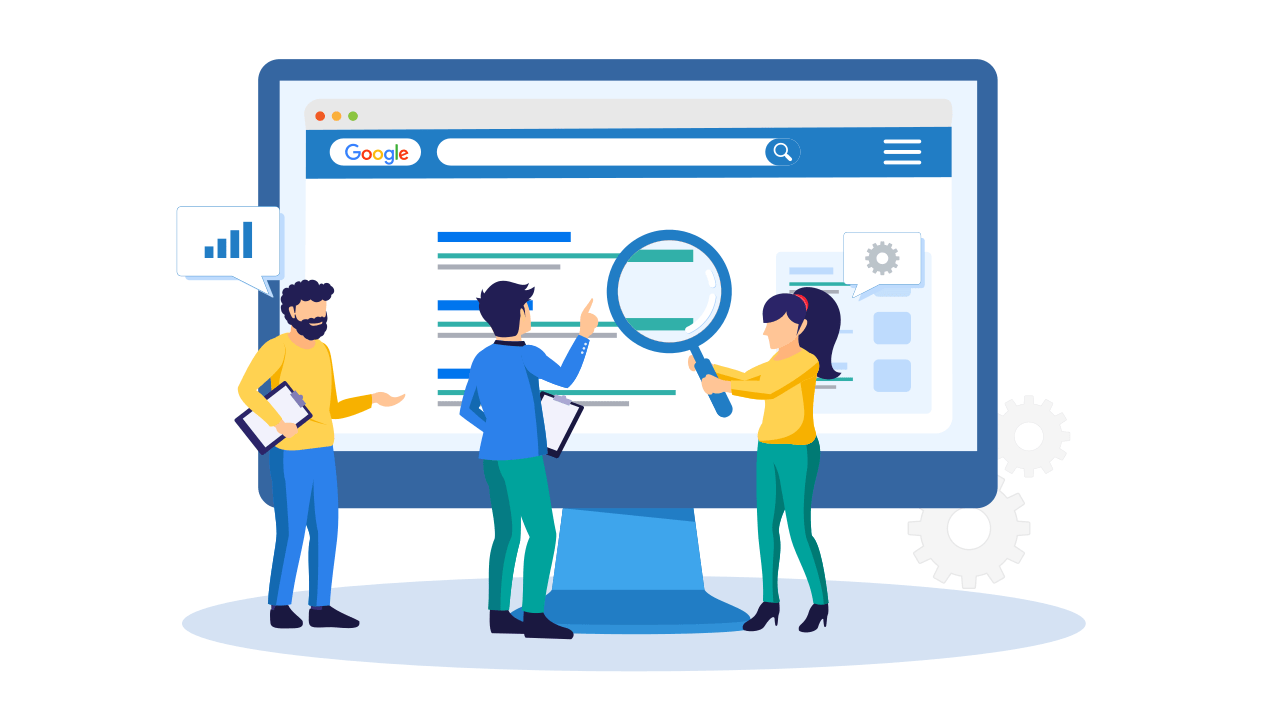
SEO (Search Engine Optimization) is the process of improving a website so it appears higher on search engines like Google, Bing, or Yahoo when people search for something. SEO helps your website be found by people without paying for ads. SEO has shown great importance recently. It helps with increasing website traffic, bringing the right audience, building trust & credibility and growing business without paying for ads. SEO primarily consists of 2 parts: On-Page and Off-Page SEO, which we will further discuss more about. Understanding the difference between On-Page and Off-Page SEO is important because both work together to decide how high your website ranks on Google — but they do very different jobs. Follow TWS Technology on Instagram to know about more such interesting topics.
On-Page SEO
On-Page SEO refers to all the optimizations one does on their website pages to help them rank higher on Google and attract the right audience. It focuses on improving both- Search Engine understanding and user experience. Basically, On-Page SEO is everything one can control on their website to improve visibility.
Here are some of the Key elements of On-Page SEO:
- Content Quality
- Keywords
- Title Tag
- Meta Descriptions
- Headings(H1, H2,H3..)
- URL Structure
- Image Optimization
- Internal Linking
- Page Speed and Mobile-Friendliness
On-Page SEO proves to be useful since it helps to improve Google rankings, increase website traffic, provide a better user experience and convert visitors into customers.
Off-Page SEO
Off-Page SEO refers to all the actions taken outside your website to help improve its search engine rankings, authority, and trust. While On-Page SEO tells Google what your website is about, Off-Page SEO tells Google how popular and trustworthy your website is. Search engines rank websites higher when they see that- other websites link to them, people talk about them online and that the brand is trusted. In short, Off-Page SEO builds credibility.
Some Key Elements of Off-Page SEO are-
- Backlinks
- Social Media Signals
- Brand Mentions
- Guest Postings
- Online Reviews and Listings
- Influencer and Blogger Outreach
The primary goal of Off-Page SEO is to make your website look trustworthy, gain authority and be popular across the internet.
Why are both Important?
Both On-Page and Off-Page SEO contribute to the website’s optimization and one without the other just won’t work. Let’s see how
Why On-Page SEO alone is not enough?
On-page SEO helps search engines understand your website — your keywords, content structure, headings, internal links, and user experience.
But even if everything on your site is perfectly optimized, Google still needs proof that your website is trusted and valuable.
Without off-page signals like backlinks, brand mentions, and authority from other websites, your pages may struggle to rank, especially in competitive niches. A well-optimized page without authority is like a great book that no one recommends.
Why Off-Page SEO without good content won’t work?
Off-page SEO focuses on building credibility through backlinks, shares, and mentions from other websites. But no one will link to or share poor-quality content.
If your website has weak, thin, or irrelevant content, backlinks won’t stick — and even if you get some, users will leave quickly, increasing bounce rates and hurting rankings. Strong on-page content is what gives off-page SEO something worth promoting.
Conclusion
On-page SEO makes your website search-engine friendly, while off-page SEO makes it trustworthy. When you publish high-quality, optimized content (on-page) and earn backlinks and authority from other sites (off-page), search engines see your website as both relevant and reliable. This combination leads to:
- Higher rankings
- More organic traffic
- Better credibility
- Long-term SEO growth
In short, on-page SEO builds the foundation, and off-page SEO builds the reputation — and together, they drive real results. Whether it’s content, SEO, or digital growth, TWS Technology delivers strategies that help your business stand out and rank higher.
Connect with us for more valuable insights
Website: TWS Technology
Instagram: TWS Technology
Facebook: TWS Technology
LinkedIn: TWS Technology