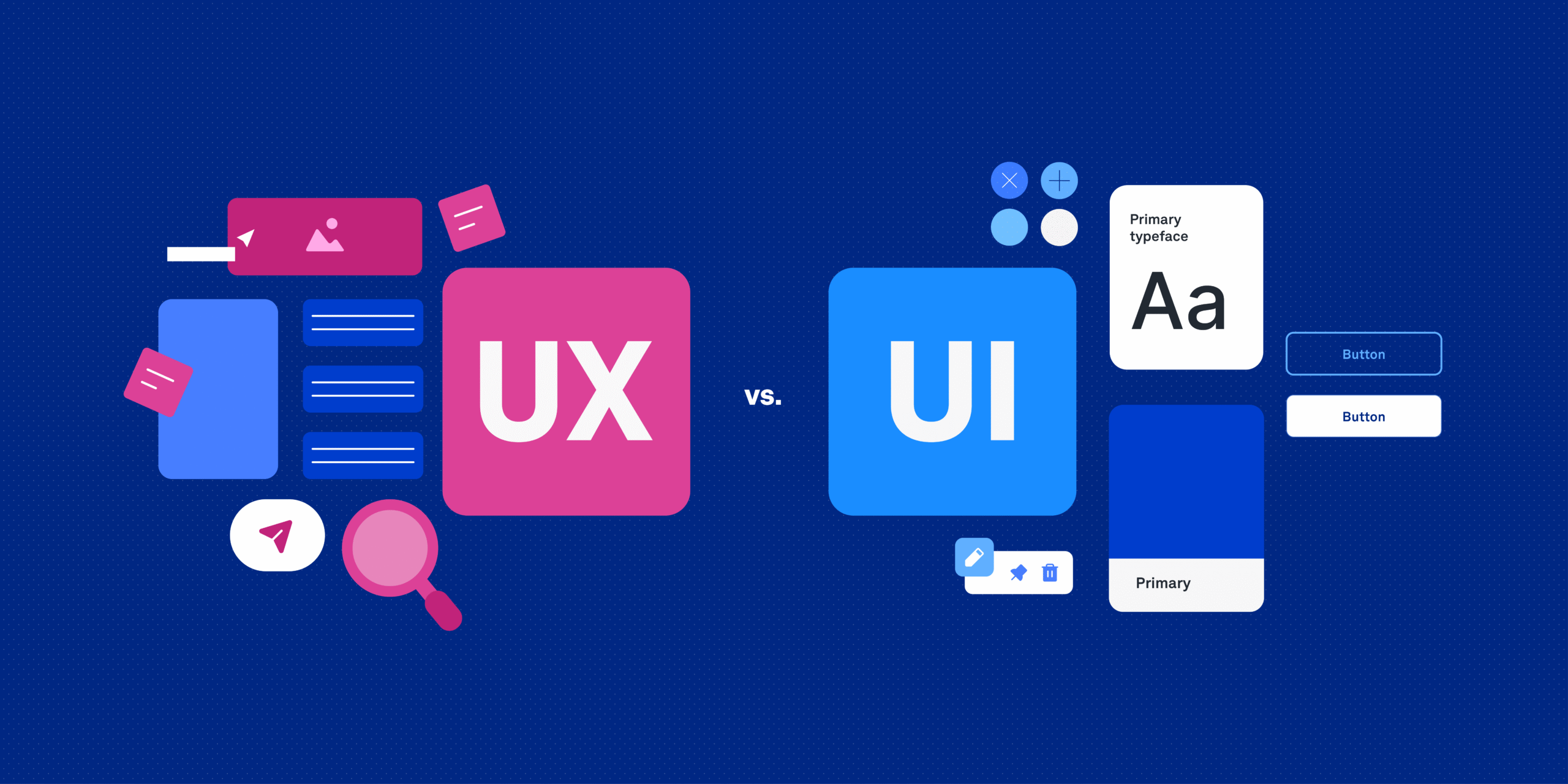
Users today expect experiences that are fast, smart, and actually feel human — not robotic or confusing. With AI growing, personalization getting deeper, and attention spans getting shorter, the way we design is clearly shifting. By 2026, it won’t just be about making things look good on the surface. It’ll be about creating experiences that feel natural and intuitive, like they just make sense without people having to think too hard.
Follow TWS Technology on Instagram for more such interesting content.
AI-Driven Personalization & Adaptive Interfaces
AI-driven personalization is making interfaces adapt to user behavior — from AI-generated layouts to predictive UX and smart recommendations. Adaptive design feels more relevant, which means better engagement and higher retention.
Voice & Conversational Interfaces
Chatbots are slowly becoming the main way people interact with apps — instead of clicking through menus, users just ask what they need. AI assistants are getting built directly into apps, so help, search, and actions all happen inside one smooth conversation.
Minimalism 2.0 (Functional Simplicity)
It’s not just about adding more white space anymore. Good design now means a clean UI, a clear visual hierarchy, and fewer elements that actually serve a purpose. If something feels cluttered or confusing, people won’t stick around.
Dark Mode Evolution
It’s not just about adding a dark mode anymore. Accessibility and inclusivity aren’t “extra features” now — they’re becoming non-negotiable. If a product isn’t usable by everyone, it’s simply not good design anymore.
Ethical & Privacy-First UX
Another big shift is Ethical and Privacy-First UX — and this one’s not optional anymore. People want to know what’s happening with their data. Going forward, trust won’t just be a bonus — it’ll become a core design principle. If users don’t feel safe, nothing else really matters.
Accessibility as Standard (Not Feature)
Accessibility won’t be treated like an extra feature anymore — it’ll be the standard. It’s not about being “nice,” it’s about being usable for everyone. Brands that ignore accessibility won’t just look outdated — they’ll actively lose users because people won’t stick around for experiences that don’t work for them.
Conclusion
UX in 2026 won’t really be about chasing trends or copying what’s popular. It’ll come down to intelligence, empathy, and the ability to adapt. The brands that stand out won’t just design clean interfaces — they’ll create experiences that understand users, respond to them in real time, and evolve as their needs change. Visit TWS Technology for more such blogs.
Connect with us for more valuable insights
Website: TWS Technology
Instagram: TWS Technology
Facebook: TWS Technology
LinkedIn: TWS Technology