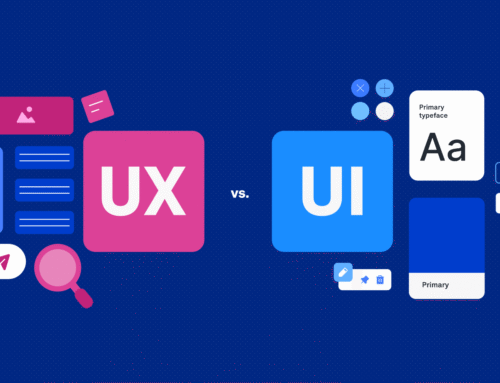
UX vs UI: What’s the Difference and Why does it Matter?
UX vs UI: What’s the Difference and Why does it Matter?
You’ve probably come across the terms UI and UX before, maybe even assumed they’re the same because they sound similar and both relate to design. Trust me, you’re not alone—people mix them up all the time. But understanding the difference between the two and using them correctly can genuinely elevate your brand. In today’s world, where the importance of social media, websites, and overall design is not just helpful but essential, UI and UX have become key skills. They can transform your brand’s website from an “oh okay” to a “wow.”
Follow TWS Technology on Instagram to learn about such new topics every day.
What is UX (User Experience)?
User Experience refers to the overall journey and interaction a user has with your product, service, website, or app. It covers everything—from the moment a user discovers your product to the moment they stop using it.
To break it down: when someone opens your website or app, they instantly notice how smooth the system feels, whether the layout is easy to navigate, how quickly they can find what they need, and whether they can complete tasks without frustration.
Good UX is all about usability, efficiency, and satisfaction.
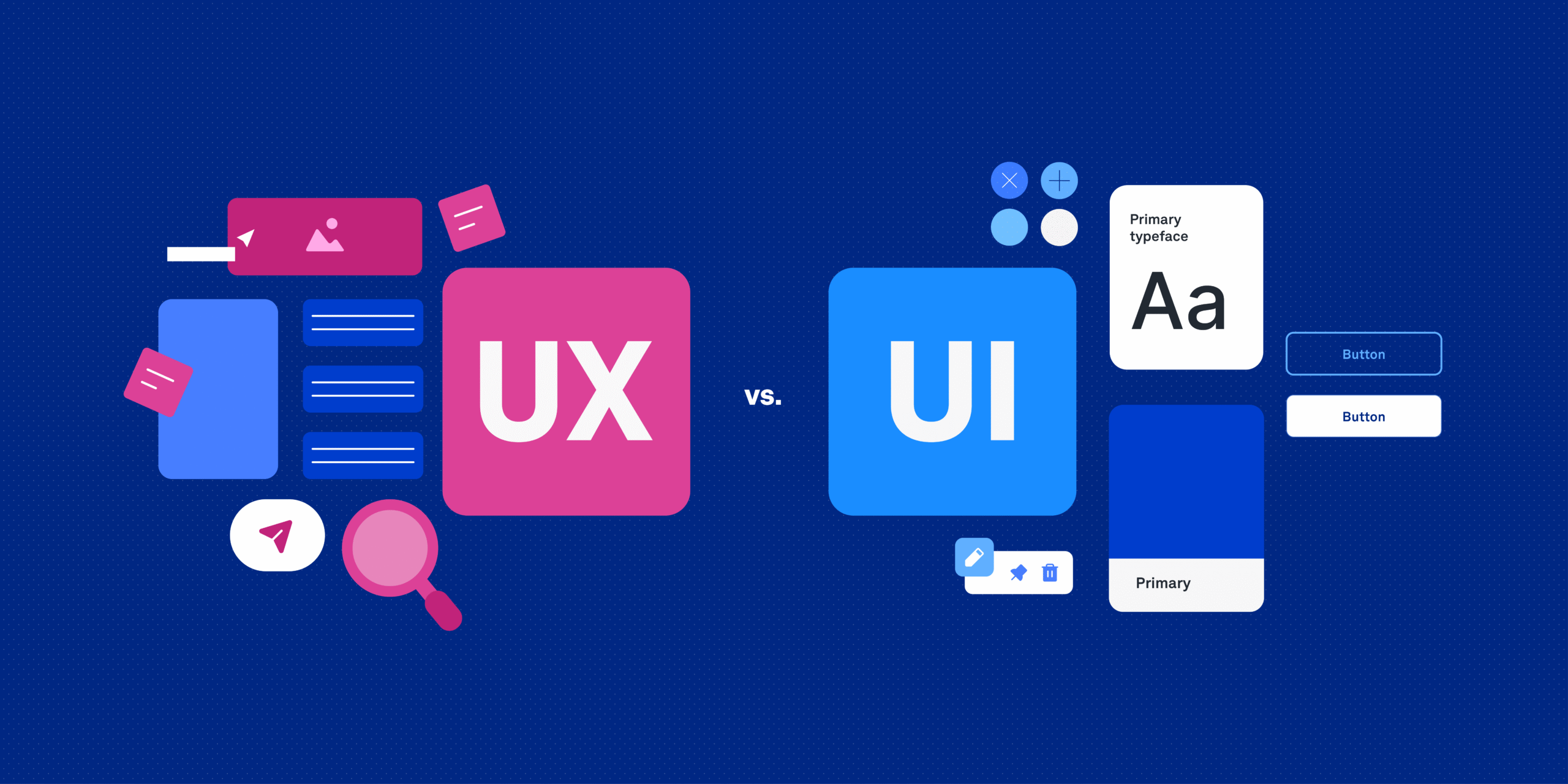
In technical terms, UX designers focus on user flows, information architecture, problem-solving, testing, and improving the overall experience. Basically, UX is about how your website feels to the user as a whole.
What is UI (User Interface)?
UI (User Interface) refers to the visual and interactive elements of a website or app—the parts users actually see and interact with. This includes layout, colors, typography, icons, buttons, images, spacing, and the overall visual style.
UI makes sure the website not only looks good but also guides the user’s eye, helping them understand where to click, what to do, and how to move through the interface.
The purpose of UI is visual appeal, interactivity, and aesthetics.
On the technical side, UI designers work on screen layouts, design systems, components, fonts, colors, and responsiveness. In short, UI focuses on how the website or app looks.
How Do UI and UX Work Together?
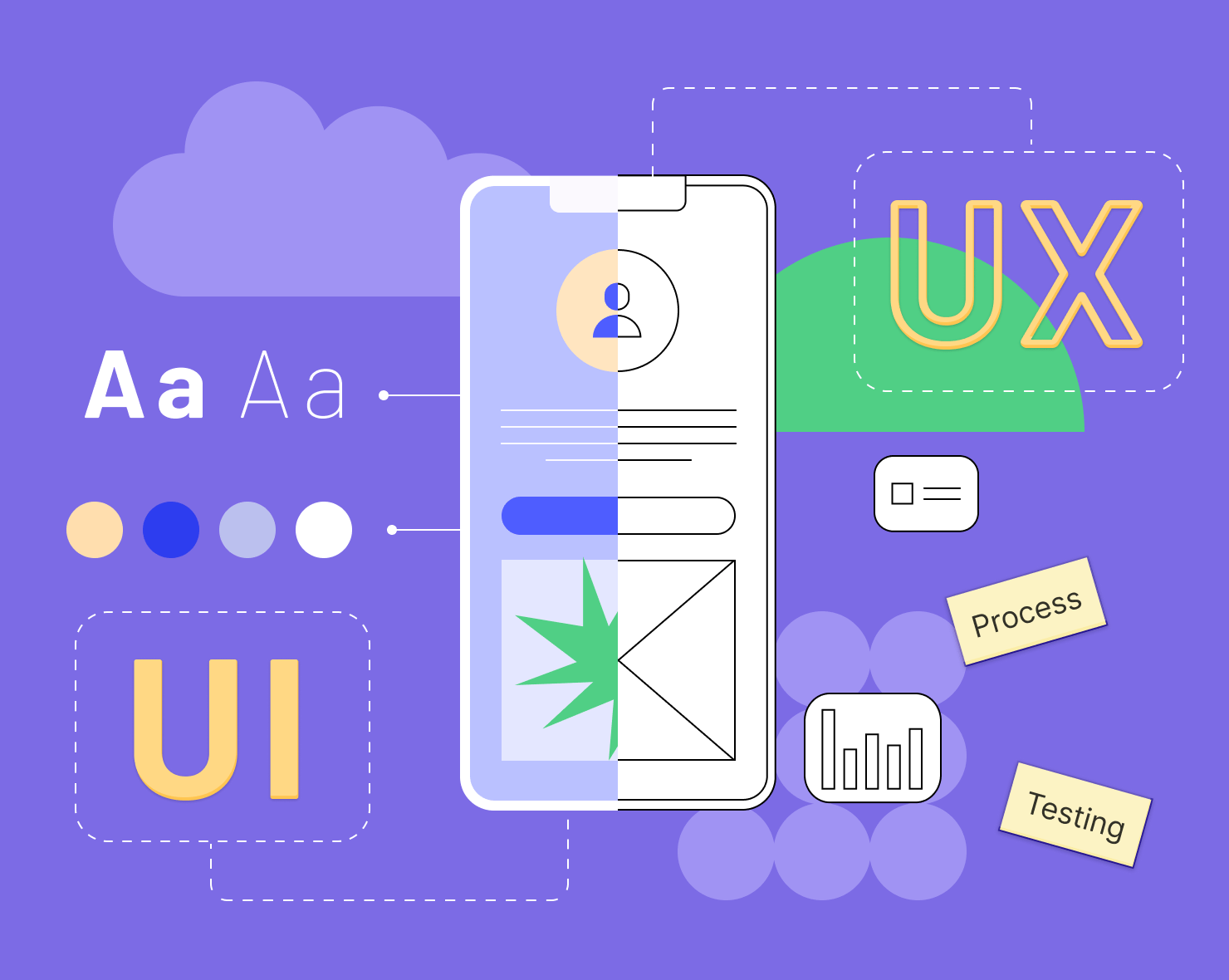
Think of UX as the structure and UI as the beautification of that structure.
UX decides how it works, and UI decides how it looks.
Both go hand in hand—one cannot shine without the other. A great app or website needs both strong UX and clean UI. For example, UX determines where the “Buy Now” button should be placed, but UI decides how that button appears.
A simple analogy: UX is the blueprint of a house, and UI is the interior design. You need both to create a home that is both functional and beautiful.
Why Understanding the Difference Matters (For Businesses)
For businesses, knowing the difference between UX and UI is crucial because each plays a unique role in shaping customer experience. When brands understand what each contributes, they can design smarter, invest better, and build a stronger digital presence.
Good UX and UI together lead to higher user satisfaction, which can significantly improve conversion rates. They also help maintain brand consistency and reduce unnecessary redesign costs. When both are done right, your brand feels modern, trustworthy, and user-focused.
Conclusion
Understanding the difference between UX and UI helps you see how design truly influences a user’s experience. UX ensures everything works smoothly, while UI makes it look and feel enjoyable. When the two come together, the result is a product that’s not just functional but genuinely delightful.
In a world full of endless choices, investing in good UX and UI isn’t optional—it’s what sets great digital experiences apart. Whether you need mobile apps or full websites, TWS Technology builds digital products that look great and work even better.
Connect with us for more valuable insights
Website: TWS Technology
Instagram: TWS Technology
Facebook: TWS Technology
LinkedIn: TWS Technology