Top Features Every High-Converting Website Must Have
Top Features Every High-Converting Website Must Have
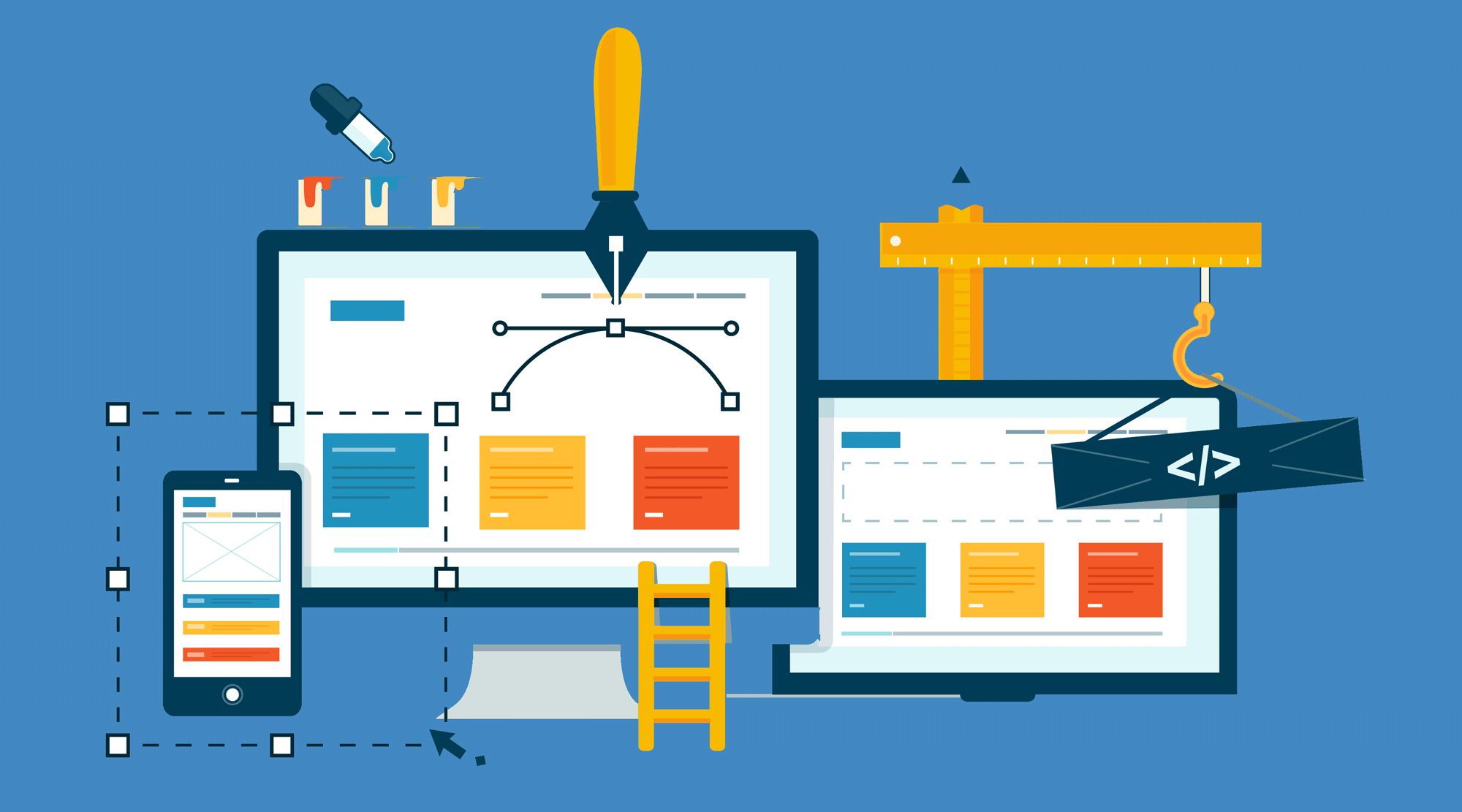
You can have the most beautiful website in the world… and still get zero results. Sounds harsh, but it’s true.
Most websites fail not because they look bad, but because they don’t guide users to take action. High bounce rates, low engagement, and barely any leads—this is the reality for many businesses online.
Here’s the difference: a “good-looking” website impresses people, but a high-converting website moves them to act. And in today’s fast-scrolling world, users form an opinion about your site in just a few seconds—sometimes even less. Visit TWS Technology on Instagram for more insightful content.
So what actually makes a website convert? Let’s break it down.
1. Clear Value Proposition (Above-the-Fold Section)
When someone lands on your website, they shouldn’t have to figure things out. It should be obvious what you do and who it’s for.
A simple, clear headline works way better than something clever but confusing. Add a short line below it to explain things better, and make sure the layout naturally draws attention to it.
2. Fast Loading Speed
People are impatient online. If your website takes too long, they just leave—no second chances.
You don’t need anything fancy here. Just compress your images, remove unnecessary stuff, and use basic tools like caching or a CDN to keep things fast.
3. Mobile Responsiveness
Most people are checking your site on their phone, not a laptop. If your website feels weird on mobile, you’re losing users instantly.
Buttons should be easy to tap, text should be readable without zooming, and everything should feel smooth. That’s it
4. Strong Call-to-Action (CTA)
If you don’t tell users what to do next, they won’t do anything.
Your CTA should be clear and direct—like “Get Started” or “Book a Call”. Place it where people can actually see it without scrolling too much.
5. User-Friendly Navigation
No one likes getting lost on a website. If users can’t find things quickly, they’ll just leave.
Keep your menu simple, don’t add too many options, and if possible, keep the header visible while scrolling. A search bar also helps.
6. Trust Signals & Social Proof
People trust other people more than brands. So if others have used your service and liked it, show that.
Add testimonials, reviews, or even logos of clients you’ve worked with. It makes a big difference in how trustworthy you look
7. High-Quality Visuals & Design
First impressions matter, whether we like it or not.
Your website doesn’t need to be over-designed—just clean and consistent. Use good-quality images, proper spacing, and avoid clutter.
8. SEO Optimization Basics
Even the best website won’t help if no one finds it.
Use the right keywords, write proper meta titles and descriptions, and add alt text to images. Also, link your pages properly so users (and Google) can navigate easily.
9. Lead Capture Elements
Not everyone is ready to buy immediately—and that’s okay.
Give them an easy way to stay connected, like a simple form, newsletter signup, or a free resource. Just don’t make it complicated.
10. Security & Privacy (Trust Factor)
If your website doesn’t feel safe, people won’t trust it.
Make sure you have HTTPS, and add a basic privacy policy. Small things like this actually matter more than people think.
11. Engaging Content
Your content shouldn’t feel like filler.
Keep it simple, easy to read, and helpful. Break it into small sections, use headings, and try to write like you’re explaining things to a real person.
12. Analytics & Tracking
If you don’t track what’s happening on your site, you’re basically guessing.
Use tools like Google Analytics or heatmaps to see what people are clicking on and where they drop off. That’s how you improve.
13. Exit-Intent & Retargeting Features
Not everyone will convert on their first visit—and that’s normal.
You can still catch them before they leave with things like exit popups or small offers. Sometimes that’s all it takes.
Conclusion
At the end of the day, a high-converting website isn’t about doing everything—it’s about doing the right things.
If your website isn’t performing well, chances are it’s missing a few of these basics.
Take some time to go through your site and fix what you can. And if needed, get a second opinion—it really helps.
Connect with us for more valuable insights
Website: TWS Technology
Instagram: TWS Technology
Facebook: TWS Technology
LinkedIn: TWS Technology