What is a Marketing Funnel? Explained with Real Examples
What is a Marketing Funnel? Explained with Real Examples
Have you ever visited a website, looked around for a few seconds, and left… while someone else ends up buying something from the same site?
That’s not random.
People don’t usually buy instantly. They go through a process — sometimes quick, sometimes slow — before making a decision. They first notice something, then think about it, compare options, and only then decide whether to buy.
This entire journey is what marketers call a marketing funnel. Visit TWS Technology on LinkedIn for more such content.
What is a Marketing Funnel?
In simple terms, a marketing funnel is the path a customer follows before making a purchase.
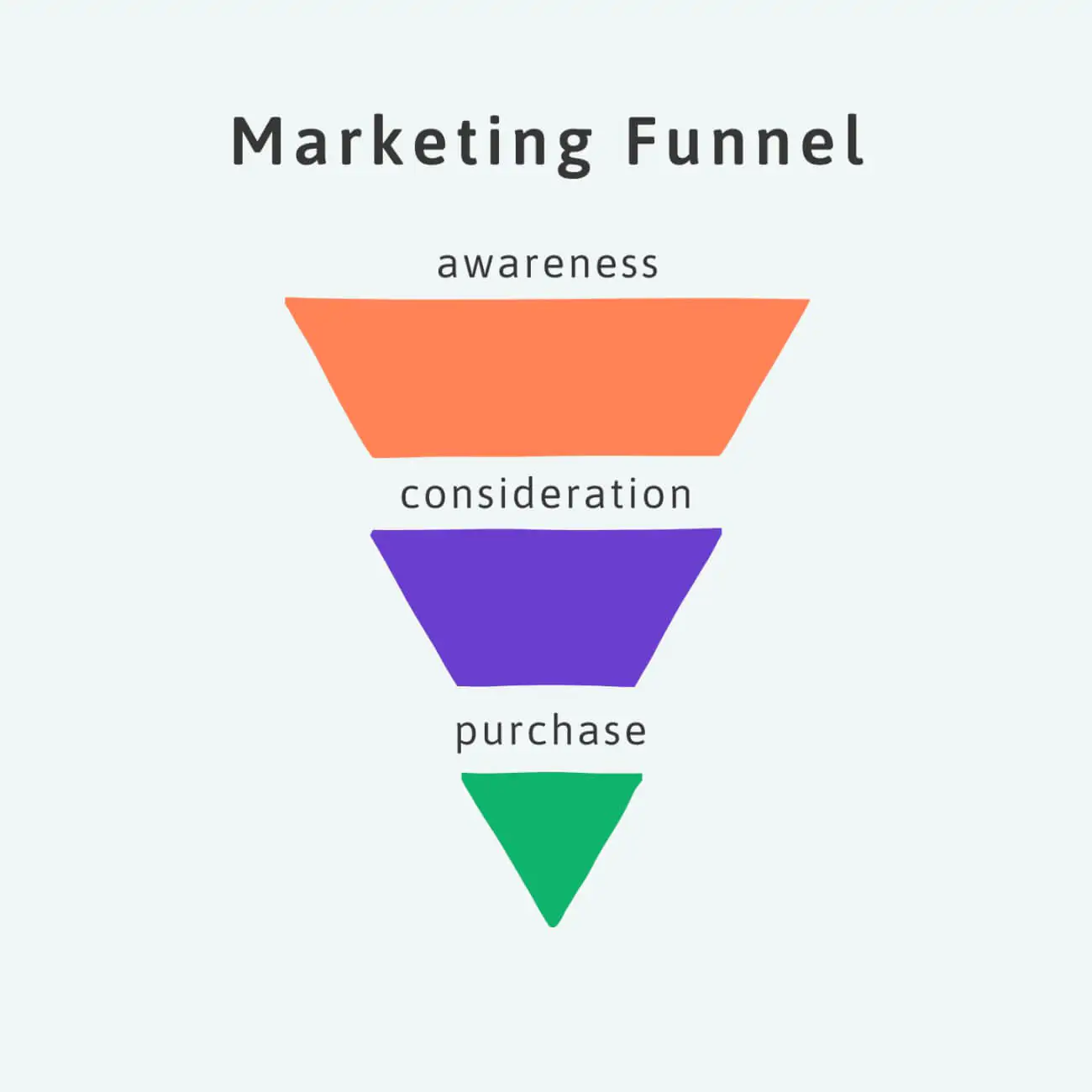
It’s called a “funnel” because at the beginning, a lot of people are just discovering your brand. But as you move forward, only a smaller group stays interested… and an even smaller group actually buys.
So basically, it filters people — from “just curious” to “ready to buy.”
Stages of a Marketing Funnel
Top of Funnel (TOFU) – Awareness
This is the stage where people first come across your brand, maybe through social media, ads, or a blog. They’re not planning to buy yet — just exploring and getting to know you. The main goal here is simple: grab their attention.
Middle of Funnel (MOFU) – Consideration
At this point, people know about you but are still unsure. They start comparing options, reading reviews, or engaging with your content. Your focus here should be on building trust and helping them feel confident about choosing you.
Bottom of Funnel (BOFU) – Conversion
Now they’re close to making a decision, just needing that final push. This could be a discount, a demo, or a strong offer that makes them say yes. The goal here is to convert interest into an actual sale.
Post-Purchase – Retention
The journey doesn’t end after someone buys from you. If they have a good experience, they’re more likely to return and even recommend you to others. This stage is all about building loyalty and turning customers into repeat buyers.
Real-Life Examples
This is where it all starts making sense 👇
Example 1: E-commerce (Clothing Brand)
You’re scrolling Instagram and see a cool jacket.
→ You click the ad and visit the website
→ You browse but don’t buy
→ Later, you get a 10% discount email
→ You go back and finally purchase
That’s a full funnel in action.
Example 2: SaaS Product
You search for something like “how to manage tasks better.”
→ You land on a blog
→ The blog suggests a free tool
→ You sign up for a free trial
→ You receive helpful emails
→ You upgrade to a paid plan
Step by step, your interest builds until you’re ready to pay.
Example 3: Local Café
You search “best café near me.”
→ You check Google reviews
→ You visit once
→ You like the vibe and coffee
→ You get a loyalty card
→ You keep coming back
Even small local businesses follow the same funnel — just in a more natural way.
Common Mistakes in Marketing Funnels
A lot of people mess this up, and it costs them customers.
- Trying to sell too early: If someone just discovered you, pushing them to buy immediately can scare them away
- Ignoring the middle stage: This is where trust is built — skipping it is a big mistake
- Not following up: People forget fast; if you don’t remind them, they won’t come back
- No clear CTA (Call-to-Action): If you don’t tell people what to do next, they simply won’t do anything
Conclusion
At the end of the day, a marketing funnel is just about guiding people. From discovering your brand… to trusting it… to finally choosing it.
If you understand this journey and make it smooth for your audience, conversions will naturally improve. The better you guide users, the more likely they are to become your customers.
Connect with us for more valuable insights
Website: TWS Technology
Instagram: TWS Technology
Facebook: TWS Technology
LinkedIn: TWS Technology